
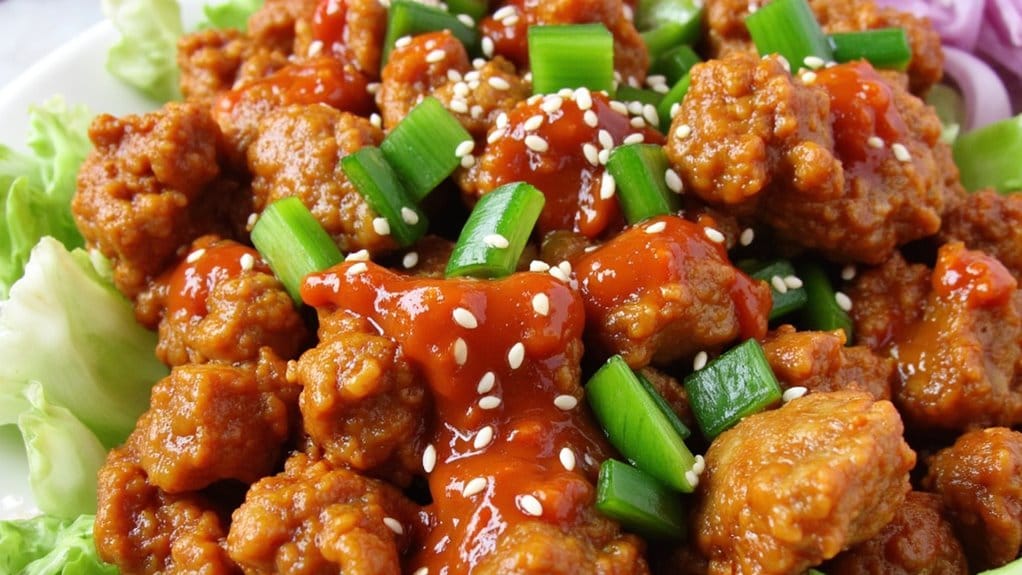
Korean ground pork recipes are such a game-changer for any meal plan. With their vibrant mix of spicy, tangy, and savory flavors, these dishes are a true delight. Think sizzling pork and kimchi stir-fry or a hearty bibimbap bowl. Each recipe is like a mini getaway for your taste buds, ready to elevate your dining experience. Excited to explore these flavorful ideas?
Spicy Korean Pork and Kimchi Stir-Fry
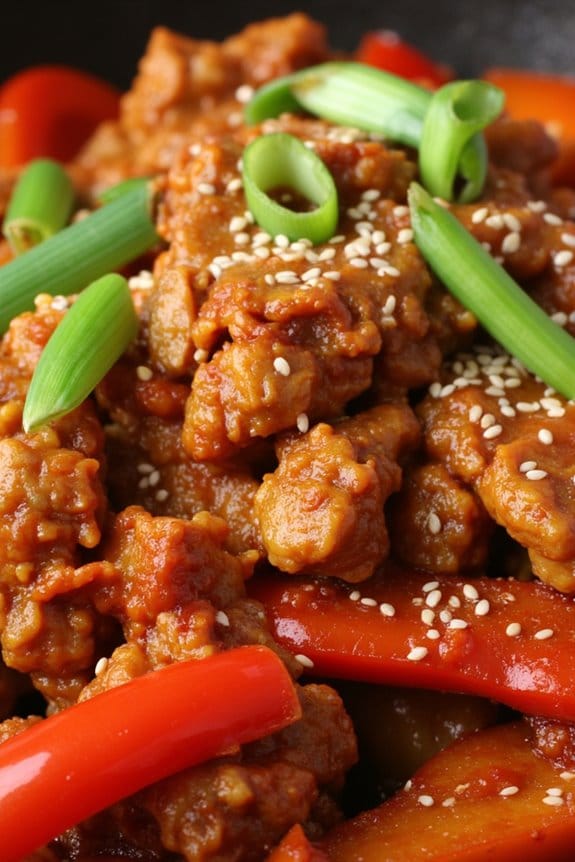
Spicy Korean Pork and Kimchi Stir-Fry is a delicious and savory dish that combines the bold flavors of Korean cuisine in a quick and easy meal. This dish features ground pork cooked with spicy gochujang (Korean chili paste), fermented kimchi, and a medley of vegetables. The combination of these ingredients creates a flavorful and aromatic stir-fry that’s perfect for a weeknight dinner.
The balance of spicy, tangy, and umami flavors makes it a favorite among those who enjoy a bit of heat in their meals. This dish isn’t only flavorful but also highly customizable. You can adjust the spice level to your liking by varying the amount of gochujang and kimchi you use.
Additionally, it pairs perfectly with steamed rice or noodles, making it a versatile addition to any meal plan. Whether you’re a long-time fan of Korean cuisine or a newcomer enthusiastic to try something new, Spicy Korean Pork and Kimchi Stir-Fry is sure to impress with its depth of flavor and simplicity in preparation.
Ingredients (Serves 4-6):
- 1 pound ground pork
- 1 cup kimchi, chopped
- 2 tablespoons gochujang (Korean chili paste)
- 1 tablespoon soy sauce
- 1 tablespoon sesame oil
- 2 cloves garlic, minced
- 1 tablespoon ginger, minced
- 1 medium onion, sliced
- 1 red bell pepper, sliced
- 1 tablespoon vegetable oil
- 2 tablespoons green onions, chopped (for garnish)
- 1 tablespoon sesame seeds (for garnish)
Instructions:
- Prepare Ingredients: Begin by gathering and prepping all your ingredients. Chop the kimchi, slice the onion and bell pepper, and mince the garlic and ginger.
- Heat Oil: In a large skillet or wok, heat the vegetable oil over medium-high heat. Once hot, add the minced garlic and ginger. Sauté for about 30 seconds until fragrant.
- Cook Pork: Add the ground pork to the skillet. Cook, stirring frequently, until the pork is browned and cooked through, about 5-7 minutes.
- Add Vegetables: Stir in the sliced onion and red bell pepper. Cook for an additional 3-4 minutes until the vegetables begin to soften.
- Incorporate Kimchi: Add the chopped kimchi to the skillet. Stir everything together, letting the flavors meld for another 2 minutes.
- Season: Reduce the heat to medium and add the gochujang, soy sauce, and sesame oil. Stir well to coat the pork and vegetables evenly with the sauce. Cook for 2-3 more minutes, allowing the sauce to heat through.
- Garnish and Serve: Transfer the stir-fry to a serving dish and garnish with chopped green onions and sesame seeds. Serve hot with steamed rice or noodles.
Extra Tips:
When cooking this dish, it’s important to adjust the spice level to suit your taste. If you prefer a milder version, reduce the amount of gochujang and kimchi.
For additional texture and flavor, consider adding sliced mushrooms or zucchini along with the other vegetables. Make sure to use well-fermented kimchi for the best depth of flavor, and always taste and adjust the seasoning as needed before serving. Enjoy your flavorful Spicy Korean Pork and Kimchi Stir-Fry!
Savory Ground Pork Bibimbap Bowls
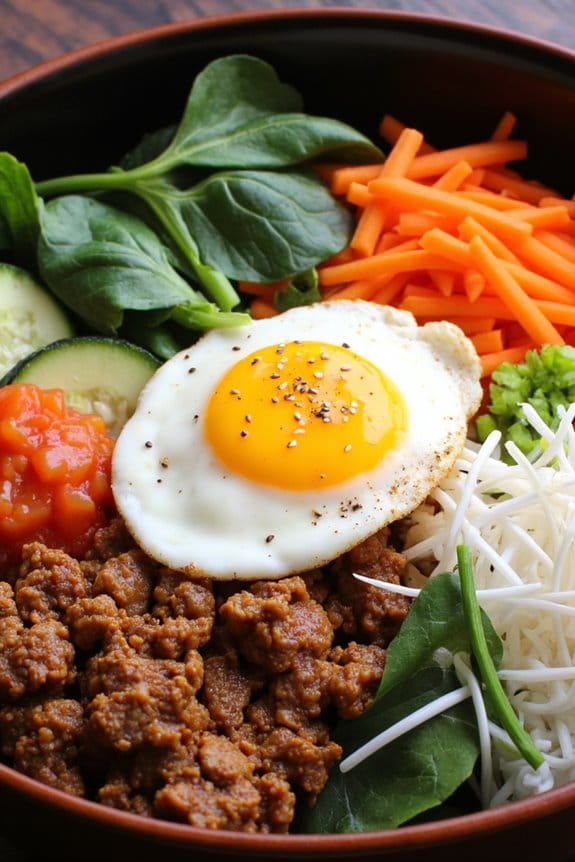
Bibimbap is a popular Korean dish that translates to “mixed rice with meat and assorted vegetables.” This savory version using ground pork isn’t only delicious but also versatile, allowing you to customize it with your favorite vegetables and sauces. The dish combines the rich flavors of marinated pork, fresh vegetables, and a spicy sauce, all served over a bed of warm rice.
It’s a delightful meal that’s both hearty and nutritious, perfect for a family dinner or a special gathering.
This recipe for Savory Ground Pork Bibimbap Bowls serves 4-6 people and is a wonderful way to explore Korean cuisine in your own kitchen. The key to an authentic bibimbap experience is in the preparation of each component, guaranteeing that the flavors are well-balanced and each ingredient shines.
With a little effort and attention to detail, you can create a vibrant and satisfying bibimbap that will impress your family and friends.
Ingredients:
- 1 ½ pounds ground pork
- 2 tablespoons soy sauce
- 1 tablespoon sesame oil
- 2 cloves garlic, minced
- 1 tablespoon ginger, grated
- 1 tablespoon gochujang (Korean red chili paste)
- 2 tablespoons vegetable oil
- 4-6 cups cooked rice
- 1 cup carrots, julienned
- 1 cup zucchini, sliced into thin strips
- 1 cup spinach leaves
- 1 cup bean sprouts
- 4-6 eggs
- 2 tablespoons sesame seeds
- Salt and pepper to taste
- Optional: sliced green onions and kimchi for garnish
Cooking Instructions:
1. Prepare the Pork Marinade: In a large mixing bowl, combine the ground pork with soy sauce, sesame oil, minced garlic, grated ginger, and gochujang. Mix well to guarantee the pork is evenly coated with the marinade. Allow the pork to marinate for at least 20 minutes to absorb the flavors.
2. Cook the Pork: Heat 1 tablespoon of vegetable oil in a large skillet over medium-high heat. Add the marinated ground pork and cook for 6-8 minutes, breaking it apart with a spatula until browned and fully cooked. Remove from the skillet and set aside.
3. Cook the Vegetables: In the same skillet, add the remaining tablespoon of vegetable oil. Sauté the carrots, zucchini, and spinach separately until each is tender but still vibrant in color. Season with salt and pepper to taste.
Blanch the bean sprouts in boiling water for 1-2 minutes, then drain and set aside.
4. Prepare the Rice: While the vegetables are cooking, guarantee your rice is hot and ready to serve. You can use freshly cooked rice or reheat leftover rice.
5. Fry the Eggs: In a separate pan, fry the eggs sunny-side up or to your preferred doneness. Each bowl will be topped with an egg, so prepare 4-6 eggs depending on the number of servings.
6. Assemble the Bibimbap Bowls: Divide the cooked rice among 4-6 bowls. Arrange the cooked ground pork, sautéed vegetables, and bean sprouts on top of the rice. Place a fried egg in the center of each bowl. Sprinkle with sesame seeds, and garnish with sliced green onions and kimchi if desired.
7. Serve and Enjoy: Serve immediately, allowing each person to mix their bibimbap bowl thoroughly before eating to combine all the ingredients and flavors.
Extra Tips:
For an extra kick, you can add more gochujang or a dash of Korean hot pepper flakes to your bibimbap. Feel free to experiment with different vegetables; mushrooms, bell peppers, or even bok choy can be great additions.
If you’re short on time, you can prepare the vegetables in advance and store them in the fridge until you’re ready to assemble the dish. Remember, the key to a great bibimbap is the balance of flavors, so adjust the seasoning according to your taste.
Korean Pork Mandu Dumplings
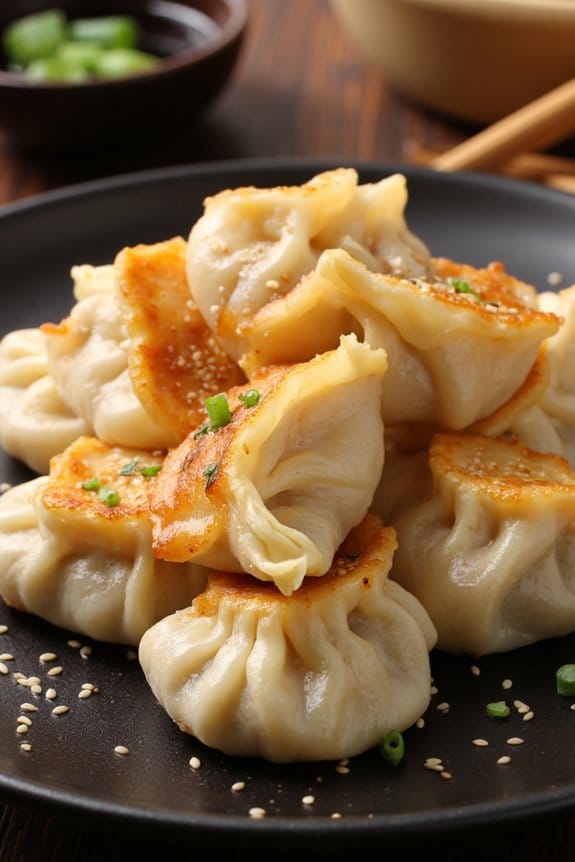
Korean Pork Mandu Dumplings are a delicious and versatile dish that can be enjoyed as an appetizer, side dish, or even as a main course. These savory dumplings are filled with a flavorful mixture of ground pork, vegetables, and seasonings, all wrapped in a delicate dumpling wrapper and then either steamed, boiled, or pan-fried to perfection.
Mandu dumplings are a staple in Korean cuisine and are often prepared during special occasions and holidays, making them a beloved comfort food for many.
Making Korean Pork Mandu Dumplings at home is a rewarding experience that allows you to savor the authentic tastes of Korea. This recipe is designed to serve 4-6 people, making it perfect for family gatherings or dinner parties.
While the process of making dumplings may seem intimidating at first, it’s actually quite simple and fun, especially if you involve family and friends in the preparation. Follow the steps below to create delicious homemade Korean Pork Mandu Dumplings that will surely impress your guests.
Ingredients (Serves 4-6):
- 1 pound ground pork
- 1 cup finely chopped napa cabbage
- 1/2 cup finely chopped onion
- 1/4 cup finely chopped green onions
- 2 cloves garlic, minced
- 1 tablespoon soy sauce
- 1 tablespoon sesame oil
- 1 teaspoon ginger, grated
- 1/2 teaspoon salt
- 1/4 teaspoon black pepper
- 40-50 mandu (dumpling) wrappers
- Water for sealing the dumplings
- Optional: soy sauce or vinegar for dipping
Cooking Instructions:
1. Prepare the Filling:
In a large mixing bowl, combine the ground pork, napa cabbage, onion, green onions, garlic, soy sauce, sesame oil, ginger, salt, and black pepper. Mix everything thoroughly until the ingredients are well incorporated and the mixture becomes slightly sticky.
2. Assemble the Dumplings:
Lay out the mandu wrappers on a clean, flat surface. Place about 1 tablespoon of the pork mixture in the center of each wrapper. Dip your finger in water and moisten the edges of the wrapper. Fold the wrapper in half to enclose the filling, pressing the edges firmly to seal.
You can pleat the edges to create a decorative pattern if desired.
3. Cook the Dumplings:
- To steam: Place the dumplings in a steamer basket lined with parchment paper or cabbage leaves to prevent sticking. Steam over boiling water for about 10-12 minutes, or until the pork is cooked through.
- To boil: Bring a large pot of water to a gentle boil. Add the dumplings in batches and cook for 5-7 minutes until they float to the surface and the pork is cooked through.
- To pan-fry: Heat a tablespoon of oil in a non-stick skillet over medium heat. Add the dumplings in a single layer and cook until the bottoms are golden brown, about 2-3 minutes. Add 1/4 cup of water to the pan, cover with a lid, and steam for another 5 minutes or until the pork is cooked through.
4. Serve:
Transfer the cooked dumplings to a serving plate. Serve warm with soy sauce or vinegar for dipping, if desired.
Extra Tips:
For a more flavorful filling, you can let the pork mixture marinate for at least 30 minutes before assembling the dumplings.
When sealing the dumplings, make sure no air is trapped inside, as this can cause them to burst during cooking. If you’re new to pleating dumplings, it’s okay to keep it simple—focus on sealing them well.
Additionally, freezing any uncooked dumplings is a great way to have them ready for future meals; just freeze them on a tray before transferring them to a freezer bag.
Meatballs With a Gochujang Kick

Meatballs With a Gochujang Kick are a delightful fusion of classic comfort food and bold Korean flavors. These meatballs are made with ground pork and infused with the spicy, tangy, and slightly sweet notes of gochujang, a Korean red chili paste. Perfect for a family dinner or a party appetizer, these meatballs are bound to impress with their unique taste.
The balance of flavors is enhanced by a combination of traditional seasonings and ingredients that bring out the best in the ground pork, resulting in a juicy and flavorful dish. Gochujang not only adds a kick to the meatballs but also contributes to their rich umami flavor.
This recipe is designed to cater to a serving size of 4-6 people, making it perfect for a small gathering or a cozy night in. The meatballs are both easy and quick to prepare, allowing you to enjoy a gourmet meal without spending hours in the kitchen. The following ingredients and instructions will guide you through crafting these delectable meatballs with ease.
Ingredients (for 4-6 servings):
- 1 pound ground pork
- 1/4 cup gochujang
- 1/4 cup breadcrumbs
- 2 tablespoons soy sauce
- 1 tablespoon sesame oil
- 2 cloves garlic, minced
- 1 teaspoon ginger, grated
- 1 egg
- 1 teaspoon sugar
- 2 green onions, chopped
- 1 tablespoon vegetable oil
- Sesame seeds for garnish (optional)
- Chopped cilantro for garnish (optional)
Instructions:
- Prepare the Meatball Mixture: In a large bowl, combine the ground pork, gochujang, breadcrumbs, soy sauce, sesame oil, minced garlic, grated ginger, egg, sugar, and chopped green onions. Mix everything thoroughly until well combined. Confirm that the ingredients are evenly distributed throughout the pork for consistent flavor in each meatball.
- Form the Meatballs: With your hands, shape the mixture into small meatballs, roughly 1 to 1.5 inches in diameter. Aim for uniform size to guarantee even cooking. You should get about 20-24 meatballs, depending on size.
- Cook the Meatballs: Heat the vegetable oil in a large skillet over medium heat. Once the oil is hot, add the meatballs in batches, making sure not to overcrowd the pan. Cook each batch for about 8-10 minutes, turning occasionally, until they’re browned on all sides and cooked through. The internal temperature should reach at least 160°F (71°C).
- Serve: Once cooked, transfer the meatballs to a serving plate. Garnish with sesame seeds and chopped cilantro if desired. Serve them hot, either on their own or with a side of rice or noodles for a complete meal.
Extra Tips:
When mixing the meatball ingredients, be careful not to overwork the mixture as this can make the meatballs tough. If you find the mixture too sticky to handle, dampen your hands with water to make shaping easier.
Additionally, if you prefer a milder flavor, adjust the amount of gochujang to taste. For an extra layer of flavor, you can also add a splash of rice vinegar to the mixture. If you’re preparing this dish ahead of time, you can freeze the uncooked meatballs for up to a month, and simply thaw and cook them when needed.
Ground Pork Bulgogi Lettuce Wraps
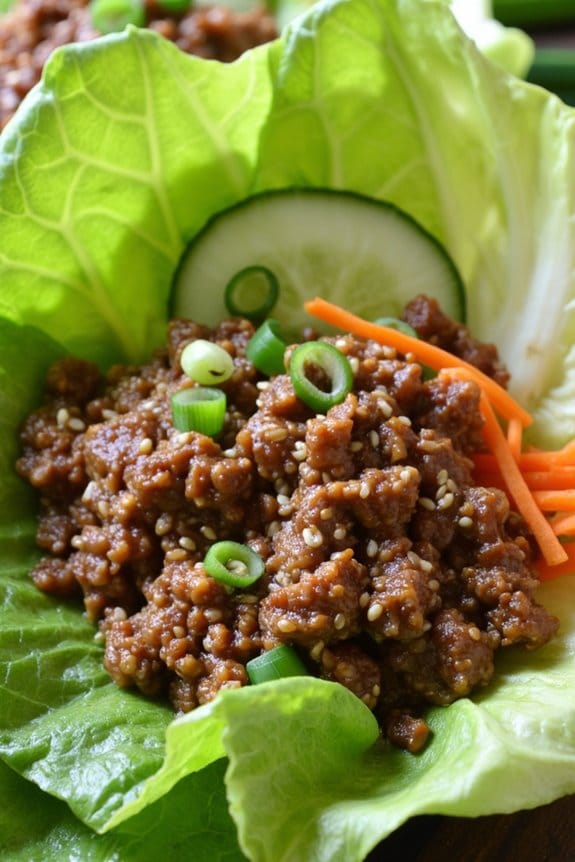
Ground Pork Bulgogi Lettuce Wraps are a delightful fusion of Korean flavors wrapped in the fresh, crisp embrace of lettuce leaves. This dish is a modern twist on traditional Korean Bulgogi, typically made with beef. By using ground pork, the recipe offers a quicker cooking time while maintaining the sweet, savory, and slightly spicy notes that define Korean barbecue.
Perfect for a family meal or a dinner party, these wraps aren’t only delicious but also fun to assemble, making them an interactive dining experience. The combination of tender, flavorful ground pork with the invigorating crunch of lettuce creates a perfect balance of textures and flavors.
The dish is further enhanced by the addition of aromatic ingredients like garlic, ginger, and green onions, all brought together by a rich soy sauce-based marinade. Serve it with a variety of toppings like sliced cucumbers, shredded carrots, and a sprinkle of sesame seeds for added crunch and flavor. This recipe serves 4-6 people, making it an ideal choice for a medium-sized gathering.
Ingredients:
- 1 1/2 pounds ground pork
- 1/4 cup soy sauce
- 2 tablespoons brown sugar
- 2 tablespoons sesame oil
- 1 tablespoon rice vinegar
- 3 cloves garlic, minced
- 1 tablespoon fresh ginger, grated
- 1-2 teaspoons gochujang (Korean chili paste)
- 4 green onions, thinly sliced
- 1 tablespoon sesame seeds
- 1 head of butter or iceberg lettuce, leaves separated
- 1 cucumber, thinly sliced
- 1 carrot, shredded
- Salt and pepper to taste
Cooking Instructions:
- Prepare the Marinade: In a medium bowl, combine the soy sauce, brown sugar, sesame oil, rice vinegar, minced garlic, grated ginger, and gochujang. Mix well until the sugar is fully dissolved and the ingredients are well incorporated.
- Marinate the Pork: Place the ground pork in a large bowl and pour the marinade over it. Use your hands or a spatula to thoroughly combine the pork with the marinade. Let it sit for at least 15-30 minutes to guarantee the flavors are absorbed.
- Cook the Pork: In a large skillet over medium-high heat, add a bit of sesame oil. Once hot, add the marinated ground pork. Cook, stirring frequently, until the pork is browned and cooked through, about 8-10 minutes. Break up any clumps with a spatula as you cook.
- Add Green Onions and Sesame Seeds: Once the pork is cooked, stir in the sliced green onions and sesame seeds. Cook for an additional 1-2 minutes until the onions are slightly wilted and the sesame seeds are toasted.
- Assemble the Wraps: To serve, place a spoonful of the cooked pork mixture into each lettuce leaf. Top with cucumber slices and shredded carrots. Serve immediately for the freshest taste.
Extra Tips:
For the best results, choose fresh, crisp lettuce leaves to add a revitalizing contrast to the savory pork. If you prefer a spicier kick, feel free to add more gochujang or include a few slices of fresh chili peppers in the pork mixture.
Additionally, confirm the pork is well browned to enhance the flavor and texture of the filling. If you have leftovers, store the pork separately from the lettuce and toppings to preserve their freshness for the next meal.
Savory Dipping Sauces for Bulgogi Wraps
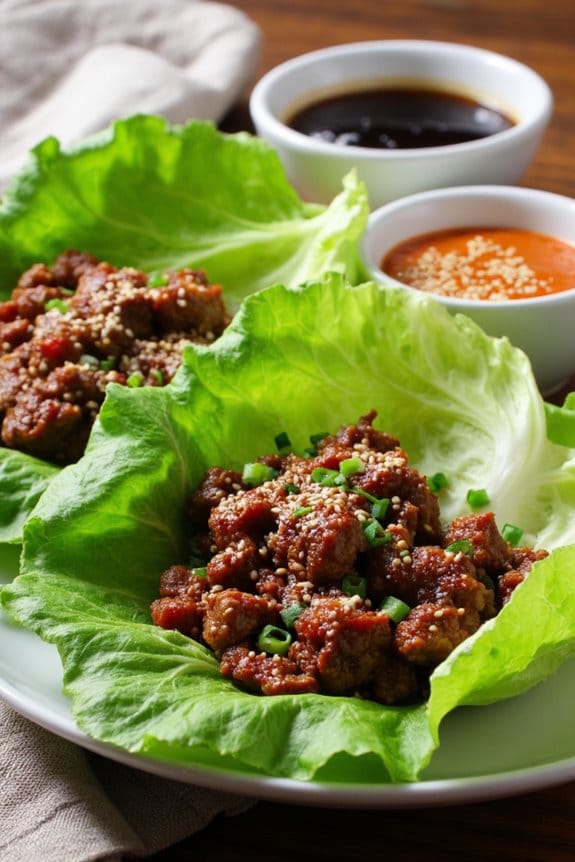
Korean Ground Pork Bulgogi Wraps are a delightful fusion of flavors that bring together the savory, sweet, and slightly spicy elements of Korean cuisine. This dish features ground pork marinated in a rich mixture of soy sauce, garlic, ginger, and a touch of gochujang, a Korean chili paste. The marinated pork is then cooked to perfection and served in crisp lettuce wraps, providing a revitalizing contrast to the savory meat.
To enhance the experience, these wraps are paired with a variety of savory dipping sauces, each offering a unique flavor profile that complements the bulgogi wraps beautifully. Creating a complete meal with these wraps involves preparing not only the ground pork but also an assortment of sauces that can cater to different taste preferences.
A classic soy-garlic sauce provides a robust umami flavor, while a sesame-ginger sauce offers a hint of nuttiness and warmth. For those who enjoy a little heat, a spicy gochujang sauce brings an extra kick. These sauces are simple to make and can be adjusted to taste, allowing everyone to enjoy their perfect balance of flavors.
Ingredients (Serves 4-6):
- 1 pound ground pork
- 2 tablespoons soy sauce
- 2 tablespoons sesame oil
- 1 tablespoon gochujang (Korean chili paste)
- 1 tablespoon honey
- 2 cloves garlic, minced
- 1 teaspoon fresh ginger, grated
- 2 green onions, chopped
- 1 head of lettuce (such as butter or romaine), leaves separated
For Soy-Garlic Dipping Sauce:
- 1/4 cup soy sauce
- 1 tablespoon rice vinegar
- 1 tablespoon honey
- 1 clove garlic, minced
For Sesame-Ginger Dipping Sauce:
- 2 tablespoons soy sauce
- 1 tablespoon sesame oil
- 1 tablespoon rice vinegar
- 1 teaspoon fresh ginger, grated
For Spicy Gochujang Dipping Sauce:
- 2 tablespoons gochujang
- 1 tablespoon soy sauce
- 1 tablespoon honey
- 1 tablespoon water
Cooking Instructions:
- Prepare the Pork Marinade: In a large bowl, combine the ground pork with soy sauce, sesame oil, gochujang, honey, minced garlic, grated ginger, and chopped green onions. Mix well until the pork is evenly coated. Cover the bowl and let the pork marinate in the refrigerator for at least 30 minutes to allow the flavors to meld.
- Cook the Pork: Heat a large skillet over medium-high heat. Add the marinated ground pork and cook, stirring frequently, until the pork is browned and cooked through, about 8-10 minutes. Make sure to break up any large clumps with a wooden spoon or spatula.
- Prepare the Dipping Sauces: While the pork is cooking, prepare the dipping sauces. For each sauce, combine the respective ingredients in small bowls and stir well to incorporate. Adjust the flavors to taste, adding more of any ingredient if desired.
- Assemble the Wraps: Arrange the lettuce leaves on a large platter. Once the pork is cooked, spoon it into the lettuce leaves to create wraps. Serve immediately with the prepared dipping sauces on the side.
Extra Tips:
To enhance the flavor of your Korean Ground Pork Bulgogi Wraps, consider using fresh, high-quality ingredients, particularly for the aromatics like garlic and ginger.
When marinating the pork, allow it to sit for longer than 30 minutes if time allows; this will deepen the flavor. For a more substantial meal, you can add cooked rice or vermicelli noodles to the wraps. If you prefer less spice, you can reduce the amount of gochujang in the pork marinade or the spicy dipping sauce.
Finally, always taste your dipping sauces before serving and adjust the seasoning to your liking.
Traditional Korean Pork Jjigae Stew
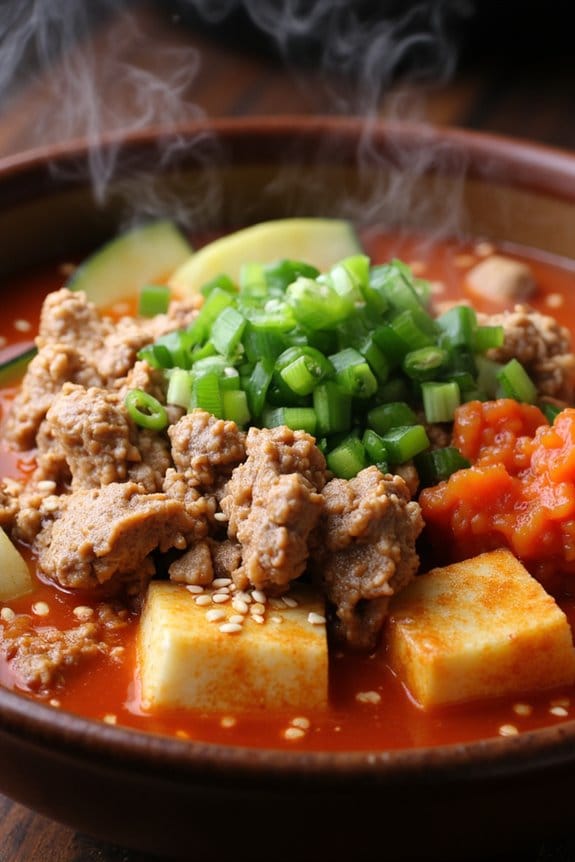
Korean Pork Jjigae Stew, also known as Dwaejigogi Jjigae, is a comforting and hearty dish that’s a staple in Korean cuisine. This rich stew is infused with bold flavors from fermented soybean paste (doenjang) and Korean chili pepper paste (gochujang), which blend perfectly with the tender ground pork. The stew is traditionally simmered with a variety of vegetables and tofu, resulting in a deliciously warm and savory dish that’s perfect for any season.
It’s a versatile meal that can be enjoyed with a bowl of steamed rice for a complete and satisfying dinner. This recipe is designed to serve 4-6 people and highlights the rustic simplicity of Korean cooking. The key to a successful Pork Jjigae is in building layers of flavor, starting from sautéing the pork to develop a deep, savory base, then adding aromatic vegetables and spices.
The addition of tofu not only adds protein but also absorbs the rich flavors of the stew, making each bite utterly delightful. Whether you’re new to Korean cuisine or a seasoned enthusiast, this traditional stew is sure to become a favorite in your household.
Ingredients:
- 1 pound ground pork
- 2 tablespoons vegetable oil
- 1 medium onion, sliced
- 2 cloves garlic, minced
- 1 tablespoon ginger, minced
- 2 tablespoons gochujang (Korean chili paste)
- 1 tablespoon doenjang (Korean soybean paste)
- 1 tablespoon soy sauce
- 1 teaspoon sesame oil
- 4 cups water or chicken broth
- 1 medium zucchini, sliced
- 1 cup kimchi, chopped
- 1 block firm tofu, cubed
- 2 green onions, chopped
- 1 tablespoon sesame seeds
- Salt and pepper to taste
Instructions:
- Prepare the Ingredients: Begin by gathering all your ingredients. Slice the onion and zucchini, mince the garlic and ginger, and chop the kimchi. Cube the tofu and set aside.
- Cook the Pork: In a large pot, heat the vegetable oil over medium heat. Add the ground pork and cook until browned, breaking it apart with a wooden spoon as it cooks, about 5-7 minutes.
- Add Aromatics: Stir in the sliced onion, minced garlic, and ginger. Cook for another 2-3 minutes until the onion becomes translucent and fragrant.
- Incorporate Flavors: Add the gochujang, doenjang, soy sauce, and sesame oil to the pot. Stir everything together to coat the pork and vegetables, cooking for an additional 2 minutes to allow the flavors to meld.
- Simmer the Stew: Pour in the water or chicken broth and bring the mixture to a boil. Reduce the heat to low, then add the sliced zucchini, chopped kimchi, and cubed tofu. Simmer the stew for about 15-20 minutes, allowing the flavors to develop and the vegetables to soften.
- Final Touches: Season the stew with salt and pepper to taste. Stir in the chopped green onions and sesame seeds just before serving.
- Serve and Enjoy: Ladle the stew into bowls and enjoy it hot, preferably with steamed rice on the side.
Extra Tips:
For an extra kick, feel free to add more gochujang or even some sliced fresh chili peppers to your stew. It’s also important to taste the stew as it simmers and adjust the seasoning according to your preference, as the saltiness of kimchi can vary.
If you don’t have chicken broth, water works just fine, though the broth will add depth to the flavor. Finally, this stew often tastes even better the next day as the flavors continue to marry, so don’t hesitate to make it ahead of time or enjoy leftovers!
Sweet and Spicy Pork Japchae Noodles
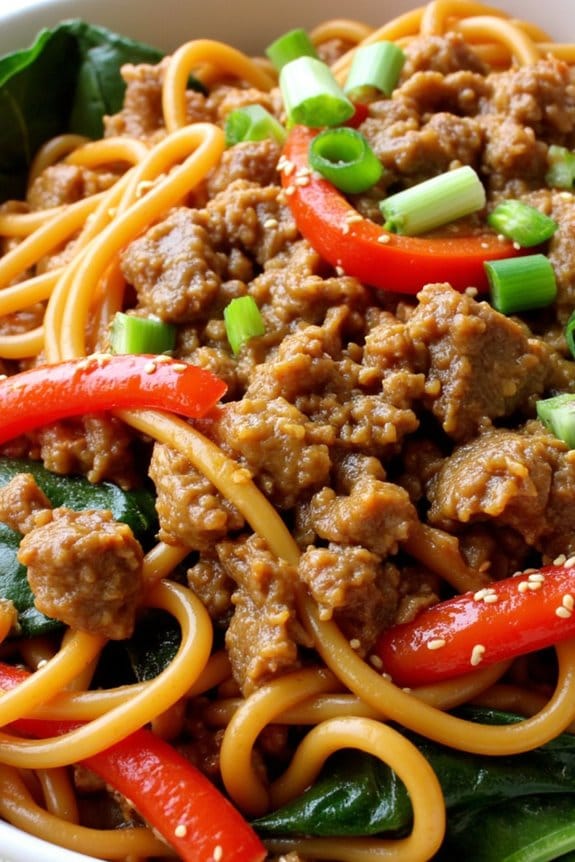
Sweet and Spicy Pork Japchae Noodles is a delightful Korean dish that harmonizes flavors and textures, offering a perfect blend of sweet, spicy, and savory elements. Japchae, a traditional Korean noodle dish, is typically made with sweet potato starch noodles, known as dangmyeon, and a colorful assortment of vegetables. By incorporating ground pork, this recipe adds a rich and hearty protein that complements the chewy noodles and crisp vegetables.
The sweet and spicy sauce, made from soy sauce, brown sugar, and gochujang, envelops the ingredients, creating an irresistible medley of flavors that’s both comforting and exciting. Perfect for gatherings or family dinners, this recipe serves 4-6 people and is incredibly versatile, allowing you to adjust the spice level to your preference.
The dish’s vibrant appearance, with its mix of bright vegetables and glossy noodles, is sure to impress at any table. Whether you’re a seasoned cook or a novice in Korean cuisine, Sweet and Spicy Pork Japchae Noodles is a rewarding dish that brings the authentic taste of Korea to your home kitchen.
Ingredients:
- 8 ounces sweet potato glass noodles (dangmyeon)
- 1 pound ground pork
- 2 tablespoons vegetable oil
- 1 medium onion, thinly sliced
- 1 medium carrot, julienned
- 1 red bell pepper, thinly sliced
- 3 cups spinach
- 2 green onions, chopped
- 4 cloves garlic, minced
- 2 tablespoons soy sauce
- 2 tablespoons brown sugar
- 1 tablespoon gochujang (Korean red pepper paste)
- 1 tablespoon sesame oil
- 1 tablespoon sesame seeds
- Salt and pepper to taste
Cooking Instructions:
- Prepare the Noodles: Cook the sweet potato glass noodles according to the package instructions. Once cooked, drain and rinse with cold water to stop the cooking process, then set aside.
- Cook the Ground Pork: In a large pan over medium heat, add one tablespoon of vegetable oil. Add ground pork, season with a pinch of salt and pepper, and cook until browned and cooked through, about 5-7 minutes. Remove the pork from the pan and set aside.
- Sauté Vegetables: In the same pan, add the remaining tablespoon of vegetable oil. Add the onion, carrot, and red bell pepper. Sauté until the vegetables are tender, about 5 minutes.
- Add Spinach and Aromatics: Add the spinach, green onions, and minced garlic to the pan. Continue to cook until the spinach is wilted and the garlic is fragrant, approximately 2 minutes.
- Combine Ingredients: Return the cooked pork to the pan with the vegetables. Add the cooked noodles and gently toss to combine all the ingredients.
- Prepare the Sauce: In a small bowl, whisk together soy sauce, brown sugar, gochujang, and sesame oil. Pour the sauce over the noodle mixture in the pan, tossing until everything is evenly coated.
- Final Seasoning: Sprinkle sesame seeds over the top, and adjust the seasoning with additional salt or pepper if needed. Allow the dish to heat through for another 2-3 minutes, ensuring the sauce is evenly distributed.
- Serve: Transfer the Sweet and Spicy Pork Japchae Noodles to a serving platter or individual bowls. Garnish with additional sesame seeds or chopped green onions if desired.
Extra Tips:
When cooking Sweet and Spicy Pork Japchae Noodles, it’s important to balance the flavors to suit your taste. Feel free to adjust the amount of gochujang to control the spiciness of the dish.
Additionally, when cooking the noodles, be cautious not to overcook them as they should maintain a chewy texture. If you don’t have access to sweet potato noodles, you can substitute with rice noodles, although the texture and flavor may vary slightly.
Ultimately, incorporating a variety of vegetables not only adds to the color and nutrition of the dish but also provides a satisfying crunch to each bite.
Korean-Style Pork and Scallion Pancakes
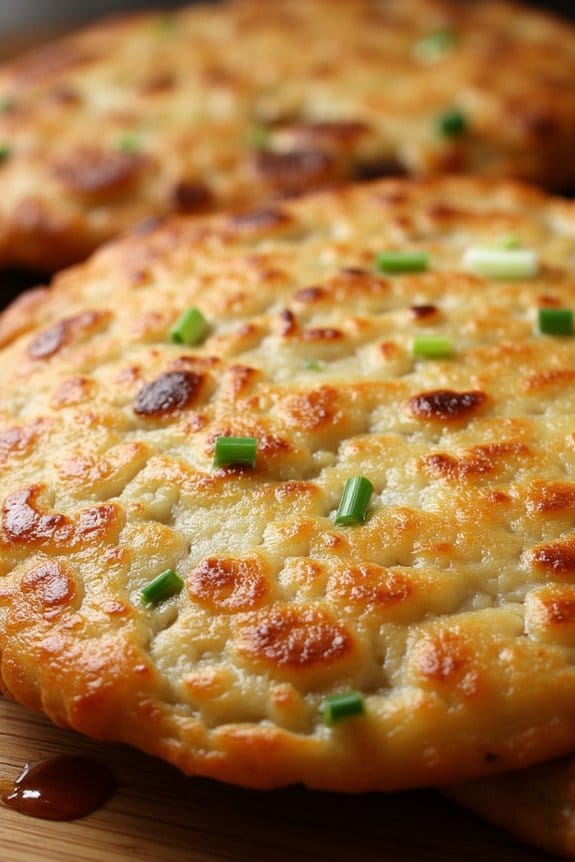
Korean-Style Pork and Scallion Pancakes are a delicious and savory treat that combines the rich flavors of ground pork with fresh scallions in a crispy pancake form. This dish is perfect as an appetizer or a light meal, and it’s often enjoyed with a dipping sauce on the side. The combination of tender pork, fragrant scallions, and the crispy pancake exterior makes it a favorite among Korean cuisine enthusiasts.
The balance of textures and flavors creates a delightful culinary experience that’s sure to impress your family and friends. These pancakes aren’t only tasty but also relatively simple to prepare. By mixing ground pork with a few key ingredients, you can create a batter that fries up to golden perfection.
The addition of scallions provides a fresh, slightly sweet contrast to the savory pork. This recipe serves 4-6 people, making it ideal for small gatherings or family dinners. Let’s explore the ingredients and step-by-step instructions to create these mouth-watering Korean-style pancakes.
Ingredients (Serves 4-6):
- 1 pound ground pork
- 1 bunch scallions, finely chopped
- 1 cup all-purpose flour
- 1/2 cup cornstarch
- 2 large eggs
- 1 1/2 cups cold water
- 2 tablespoons soy sauce
- 1 tablespoon sesame oil
- 1 tablespoon garlic, minced
- 1 teaspoon ground black pepper
- Vegetable oil, for frying
Cooking Instructions:
- Prepare the Batter: In a large mixing bowl, combine the all-purpose flour and cornstarch. Slowly add the cold water while stirring to avoid lumps, then add in the eggs, soy sauce, and sesame oil. Mix until you have a smooth batter.
- Combine the Ingredients: Add the ground pork, chopped scallions, minced garlic, and ground black pepper to the batter. Mix well until all the ingredients are evenly distributed.
- Heat the Pan: In a large non-stick frying pan, add enough vegetable oil to coat the bottom of the pan. Heat the oil over medium-high heat until it shimmers.
- Cook the Pancakes: Spoon the batter into the pan, spreading it out to form a pancake about 1/2 inch thick. Cook each pancake for about 3-4 minutes on each side, or until golden brown and cooked through. You may need to cook in batches depending on the size of your pan.
- Drain and Serve: Once the pancakes are cooked, transfer them to a paper towel-lined plate to drain excess oil. Serve immediately with a side of soy sauce or your favorite dipping sauce.
Extra Tips:
For the best results, confirm your pan is hot enough before adding the batter; this will help achieve a crispy texture. If you prefer a spicier flavor, consider adding chopped chili peppers to the batter or serving the pancakes with a spicy dipping sauce.
You can also adjust the thickness of the pancakes by adding more or less batter to the pan, depending on your preference. Finally, these pancakes are best enjoyed fresh and hot, so plan to serve them as soon as they’re cooked.
Korean Pork and Tofu Soondubu Jjigae
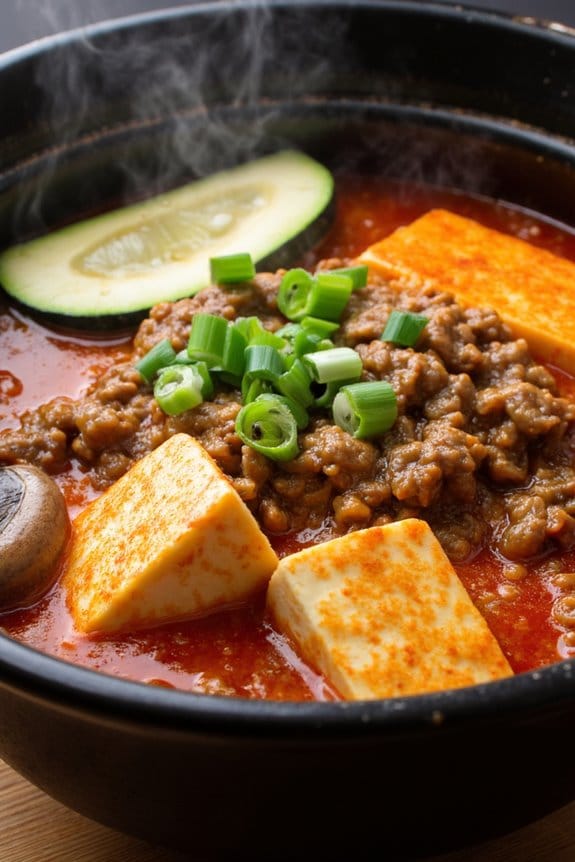
Korean Pork and Tofu Soondubu Jjigae is a comforting and spicy stew that’s perfect for chilly days or when you’re craving something hearty and satisfying. This dish is a staple in Korean cuisine and is known for its rich flavors and silky tofu texture. The combination of ground pork, soft tofu, and a variety of vegetables simmered in a deliciously spicy broth makes it an irresistible choice for both casual and special occasions.
The key to a successful Soondubu Jjigae is in the balance of flavors and textures. The ground pork adds a delightful savoriness, while the soft tofu provides a contrast with its delicate, creamy texture. The gochugaru (Korean red pepper flakes) infuses the stew with a warming heat, complemented by the umami-rich notes of garlic, soy sauce, and sesame oil. With just the right amount of spice and depth, this stew is sure to become a favorite in your household.
Ingredients (Serves 4-6):
- 1 pound ground pork
- 1 tablespoon vegetable oil
- 1 onion, thinly sliced
- 2 cloves garlic, minced
- 1 zucchini, sliced
- 1 cup mushrooms, sliced
- 2 tablespoons gochugaru (Korean red pepper flakes)
- 2 tablespoons soy sauce
- 1 tablespoon sesame oil
- 4 cups chicken or beef broth
- 2 packages soft tofu (about 14 ounces each)
- 2 green onions, chopped
- Salt and pepper to taste
- 2 eggs (optional)
Cooking Instructions:
- Prepare the Ingredients: Start by gathering all your ingredients. Thinly slice the onion, zucchini, and mushrooms, and mince the garlic. Chop the green onions for garnishing.
- Cook the Pork: In a large pot or Dutch oven, heat the vegetable oil over medium heat. Add the ground pork and cook until browned, breaking it up into small pieces with a spatula. This should take about 5-7 minutes.
- Sauté the Vegetables: Add the sliced onion and minced garlic to the pot with the browned pork. Cook for another 2-3 minutes until the onion becomes translucent and fragrant.
- Add Spices and Broth: Stir in the gochugaru, soy sauce, and sesame oil, ensuring the pork and vegetables are well coated. Pour in the chicken or beef broth and bring the mixture to a simmer.
- Add Vegetables and Tofu: Gently add the sliced zucchini and mushrooms to the pot. Break the soft tofu into large chunks and add it to the stew. Be careful not to stir too vigorously to maintain the tofu’s delicate texture.
- Simmer the Stew: Let the stew simmer for 10-15 minutes, allowing the flavors to meld together. Taste and adjust seasoning with salt and pepper as needed.
- Finish and Serve: If desired, crack an egg into the simmering stew during the last few minutes of cooking. Garnish with chopped green onions before serving. Serve hot with a side of steamed rice.
Extra Tips:
To enhance the flavor of your Soondubu Jjigae, consider adding a small amount of anchovy paste or fish sauce for additional umami depth. Adjust the level of spiciness by increasing or decreasing the amount of gochugaru based on your preference.
If you prefer a vegetarian version, substitute the ground pork with plant-based protein or additional vegetables, and use vegetable broth. Remember to handle the tofu gently to keep it whole and maintain its silky texture. Enjoy your homemade Korean Pork and Tofu Soondubu Jjigae with a side of kimchi for an authentic Korean meal experience.
Korean BBQ Pork Skewers
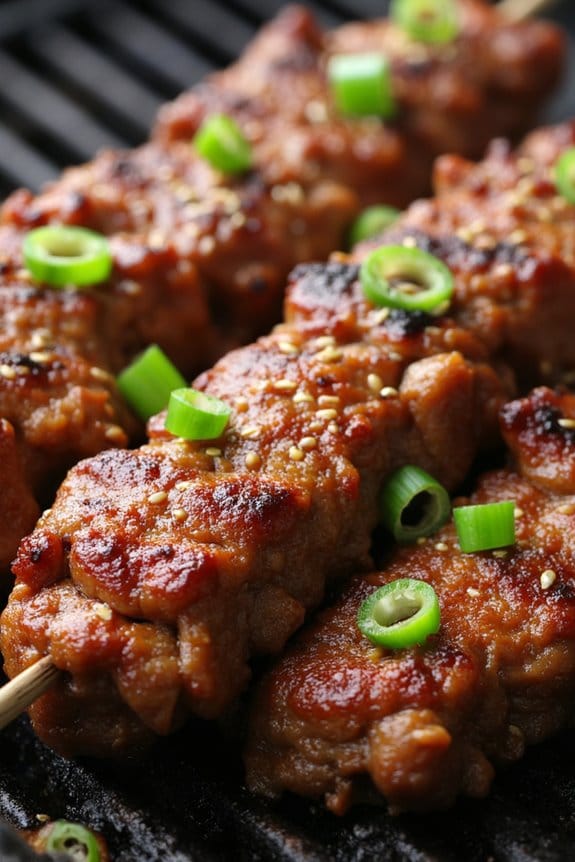
Korean BBQ Pork Skewers are a delicious and easy way to enjoy the bold flavors of Korean cuisine. These skewers feature ground pork that’s seasoned with a variety of traditional Korean ingredients, creating a savory and slightly sweet flavor profile. The pork is then shaped into skewers and grilled to perfection, resulting in a juicy and flavorful dish that’s perfect for any occasion.
Whether you’re hosting a barbecue or simply want to try something new for dinner, these Korean BBQ Pork Skewers are bound to impress.
The key to this dish is the marinade, which infuses the ground pork with a rich and complex flavor. Ingredients such as soy sauce, garlic, ginger, and sesame oil create a fragrant and flavorful base, while brown sugar adds a touch of sweetness that balances the savory elements.
These skewers aren’t only delicious but also visually appealing, making them a great choice for entertaining guests. Serve them with a side of steamed rice or fresh vegetables for a complete and satisfying meal.
Ingredients (serving size: 4-6 people):
- 1 1/2 pounds ground pork
- 1/4 cup soy sauce
- 2 tablespoons brown sugar
- 1 tablespoon sesame oil
- 4 cloves garlic, minced
- 1 tablespoon ginger, grated
- 1 teaspoon black pepper
- 1 tablespoon rice vinegar
- 1 tablespoon gochujang (Korean chili paste)
- 2 tablespoons green onions, chopped
- 12-18 wooden skewers, soaked in water
- Sesame seeds for garnish
- Sliced green onions for garnish
Cooking Instructions:
- Prepare the Marinade: In a large mixing bowl, combine the soy sauce, brown sugar, sesame oil, minced garlic, grated ginger, black pepper, rice vinegar, and gochujang. Stir well until the sugar is dissolved and all ingredients are fully incorporated.
- Mix the Pork: Add the ground pork to the marinade and mix thoroughly using your hands or a spatula. Guarantee the pork is evenly coated with the marinade for maximum flavor. Cover the bowl with plastic wrap and let the pork marinate in the refrigerator for at least 30 minutes to 1 hour.
- Shape the Skewers: Once the pork has marinated, divide the mixture into 12-18 equal portions, depending on the number of skewers. Shape each portion into a long sausage-like shape around the soaked wooden skewers, pressing firmly so the meat adheres to the skewer.
- Preheat the Grill: Preheat your grill to medium-high heat. Lightly oil the grill grates to prevent sticking.
- Grill the Skewers: Place the skewers on the grill and cook for 6-8 minutes on each side, or until the pork is cooked through and slightly charred. Be sure to turn the skewers occasionally to guarantee even cooking.
- Garnish and Serve: Once cooked, remove the skewers from the grill and transfer to a serving platter. Garnish with sesame seeds and sliced green onions. Serve immediately with your choice of side dishes.
Extra Tips:
To prevent the wooden skewers from burning, make sure to soak them in water for at least 30 minutes before using. This will help them withstand the heat of the grill.
If you don’t have access to a grill, you can also cook these skewers in a broiler or on a stovetop grill pan. Adjust the cooking time accordingly to guarantee the pork is fully cooked.
Feel free to adjust the level of spice by adding more or less gochujang based on your preference.
Quick Korean-Style Pork and Cabbage Stir-Fry
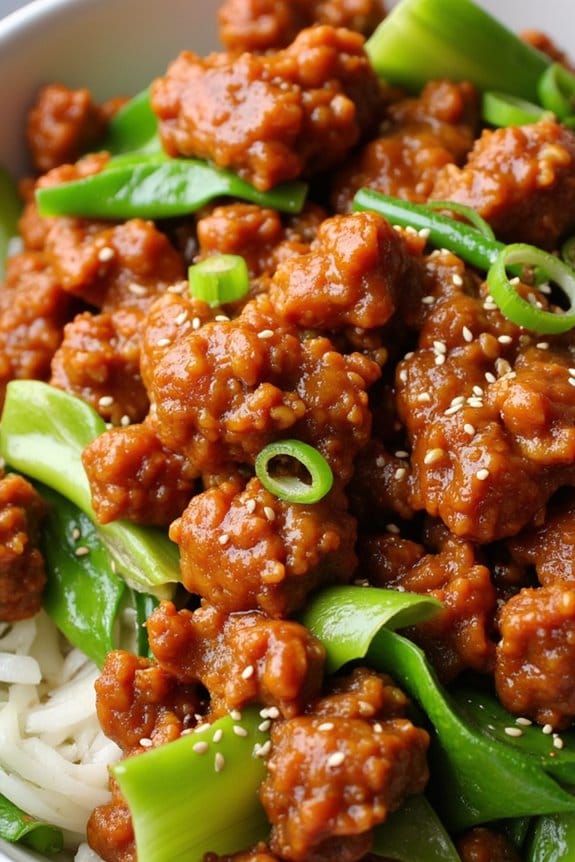
Quick Korean-Style Pork and Cabbage Stir-Fry is a delightful and easy-to-make dish that brings the authentic flavors of Korean cuisine to your dining table. This dish combines the savory taste of ground pork with the crunchiness of cabbage, all enveloped in a flavorful sauce that’s both sweet and spicy. The simplicity of this stir-fry makes it perfect for a weeknight dinner, yet its rich flavors make it feel like a special treat.
It’s a well-balanced meal that will leave you fully satisfied. This Korean-style stir-fry isn’t only quick to prepare but is also packed with nutrients, thanks to the fresh vegetables and lean protein from the pork. The use of gochujang, a Korean chili paste, adds a unique depth of flavor that pairs perfectly with the soy sauce and sesame oil, creating a dish that’s both comforting and exciting.
Whether you’re a seasoned fan of Korean food or trying it for the first time, this dish is sure to impress with its vibrant colors and bold flavors.
Ingredients for 4-6 servings:
- 1 pound ground pork
- 1 medium head of cabbage, thinly sliced
- 1 tablespoon vegetable oil
- 1 medium onion, thinly sliced
- 3 cloves garlic, minced
- 2 tablespoons soy sauce
- 1 tablespoon gochujang (Korean chili paste)
- 1 tablespoon sesame oil
- 1 tablespoon rice vinegar
- 2 teaspoons sugar
- 3 green onions, chopped
- Sesame seeds, for garnish
Cooking Instructions:
- Prepare the Ingredients: Begin by thinly slicing the cabbage and onion, and mincing the garlic. Set them aside. Chop the green onions for garnish.
- Cook the Pork: In a large skillet or wok, heat the vegetable oil over medium-high heat. Add the ground pork and cook until it’s browned and fully cooked, breaking it up into small pieces with a wooden spoon. This should take about 5-7 minutes.
- Add Aromatics: Add the sliced onion and minced garlic to the skillet with the cooked pork. Cook for an additional 2-3 minutes until the onion becomes translucent and the garlic is fragrant.
- Incorporate the Cabbage: Add the sliced cabbage to the skillet. Stir-fry for about 5 minutes until the cabbage begins to soften but still retains some crunch.
- Create the Sauce: In a small bowl, mix together the soy sauce, gochujang, sesame oil, rice vinegar, and sugar until well combined. Pour this sauce over the pork and cabbage mixture in the skillet.
- Toss and Cook: Stir well to coat all the ingredients with the sauce. Cook for another 2-3 minutes, allowing the flavors to meld together.
- Finish and Serve: Sprinkle the chopped green onions and sesame seeds over the top of the stir-fry. Serve hot over steamed rice or noodles.
Extra Tips: For a more intense flavor, allow the ground pork to marinate with the soy sauce, gochujang, sesame oil, rice vinegar, and sugar for about 15-30 minutes before cooking. This will let the meat absorb more of the savory and spicy goodness.
Also, adjust the level of gochujang to your taste preference; if you prefer less heat, start with half the amount and add more as needed. Finally, be certain not to overcook the cabbage to maintain its crunchy texture, which adds a wonderful contrast to the tender pork.
