Owl
Often linked with
Wisdom, intuition and quiet change
Check first
Owls call most in late autumn and winter, when they pair up and defend territory.
Read the owl guide
Owl at night
Often linked with
Seeing clearly in uncertain times
Check first
Most owls hunt from dusk, so night sightings are normal near fields and woods.
Read the owl at night guide
Cardinal
Often linked with
Hope, joy and remembering a loved one
Check first
Cardinals stay put all year, and in spring they sometimes peck at their own reflection in windows.
Read the cardinal guide
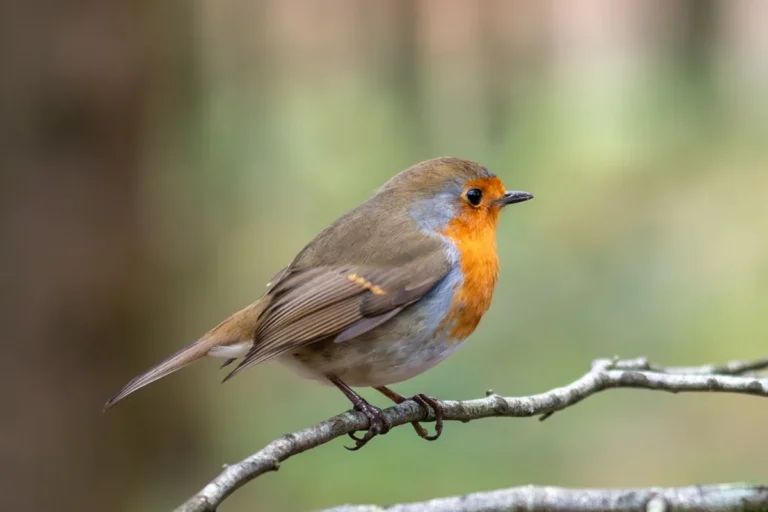
Robin
Often linked with
New beginnings and fresh starts
Check first
Robins follow gardeners and lawnmowers looking for worms and insects.
Read the robin guide
Crow
Often linked with
Change, intuition and messages
Check first
Crows are social, remember faces and gather wherever food is easy to find.
Read the crow guide
Raven
Often linked with
Transitions and insight
Check first
Ravens are big, curious birds that roam wide areas, especially open and hilly country.
Read the raven guide
Dove
Often linked with
Peace, love and comfort
Check first
Doves nest on ledges and in trees near houses and often return to the same spot.
Read the dove guide
Pigeon
Often linked with
Home, loyalty and finding your way back
Check first
Pigeons like flat ledges and windowsills, especially where people feed birds.
Read the pigeon guide
Hummingbird
Often linked with
Joy, lightness and enjoying the moment
Check first
Hummingbirds investigate bright colors, so red clothing or flowers can bring one close.
Read the hummingbird guide
Eagle
Often linked with
Strength, perspective and freedom
Check first
Eagles follow rivers, lakes and coasts, and are easier to spot in winter when trees are bare.
Read the eagle guide
Blue jay
Often linked with
Confidence and clear communication
Check first
Blue jays are loud and bold, and they visit feeders for peanuts and acorns.
Read the blue jay guide
Magpie
Often linked with
Luck, curiosity and the old counting rhyme
Check first
Magpies live in pairs or small groups year round and are common in towns.
Read the magpie guide
Woodpecker
Often linked with
Persistence and opportunity
Check first
Drumming is loudest in late winter and spring, when woodpeckers claim territory.
Read the woodpecker guide
Peacock
Often linked with
Beauty, confidence and renewal
Check first
Peafowl are often kept in parks and on estates, and males display most in spring.
Read the peacock guide
Bird at the window
Often linked with
A nudge to pay attention
Check first
Birds hit or tap windows when they see a reflection of the sky or a rival bird.
Read the bird at the window guide
Butterfly
Often linked with
Transformation and hope
Check first
Butterflies come out on warm, sunny days and visit flowering plants.
Read the butterfly guide
Dragonfly
Often linked with
Change, lightness and feeling close to someone
Check first
Dragonflies breed near ponds and streams and are most common in summer.
Read the dragonfly guide
Ladybug
Often linked with
Luck and wishes coming true
Check first
Ladybugs often move indoors in autumn to spend the winter somewhere sheltered.
Read the ladybug guide
Spider
Often linked with
Patience, creativity and weaving your life
Check first
House spiders are most visible in autumn, when males wander looking for a mate.
Read the spider guide
Ants
Often linked with
Hard work and community
Check first
Ants find their way in after rain or when crumbs and sweet food are left out.
Read the ants guide
Cat
Often linked with
Independence, intuition and protection
Check first
Cats choose calm, warm people, and anyone who feeds them.
Read the cat guide
Black cat
Often linked with
Luck, which is good in some traditions and bad in others
Check first
Black cats are simply common. Many neighbourhoods have a few.
Read the black cat guide
Rabbit
Often linked with
Abundance, gentleness and new starts
Check first
Rabbits feed on lawns at dawn and dusk and stay close to cover.
Read the rabbit guide
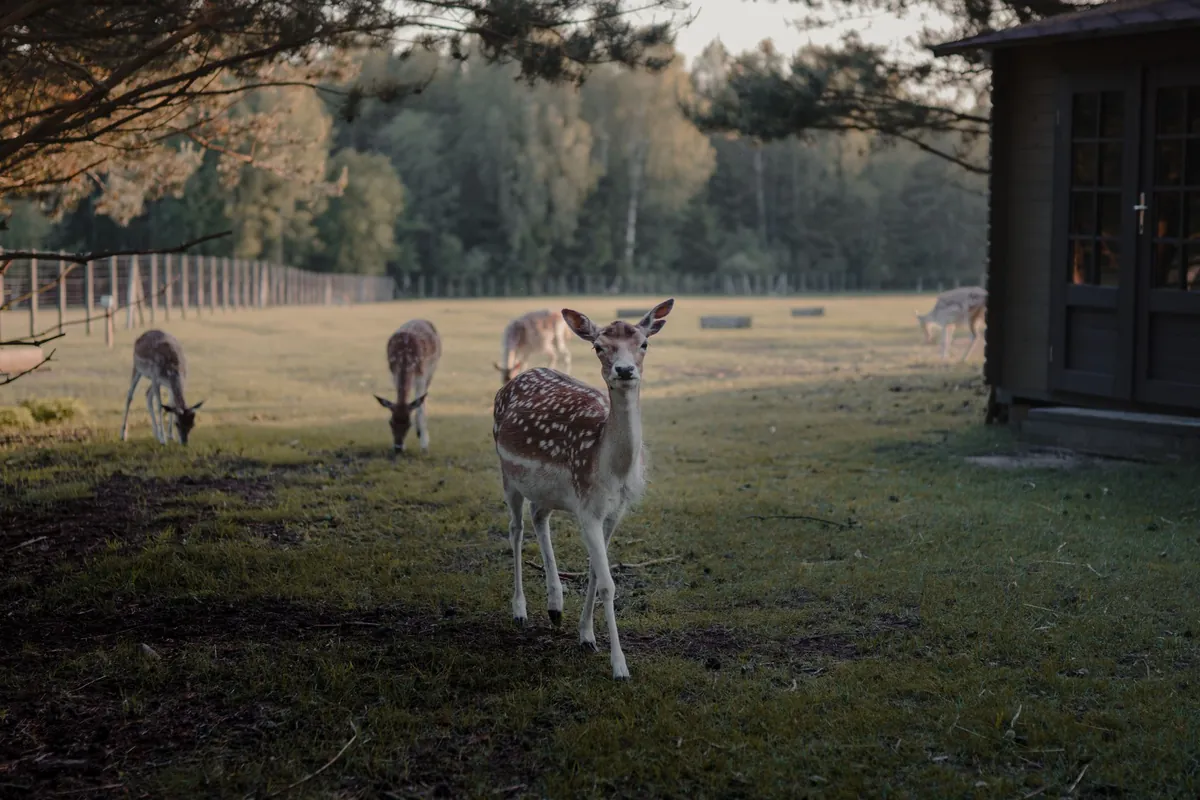
Deer
Often linked with
Gentleness, calm and quiet strength
Check first
Deer move most at dawn and dusk, and more in autumn during the rut.
Read the deer guide
Fox
Often linked with
Cleverness and awareness
Check first
Urban foxes are common and are often seen at night and early morning.
Read the fox guide
Coyote
Often linked with
Playfulness, adaptability and the trickster
Check first
Coyotes have spread into many suburbs and are most active around dawn and dusk.
Read the coyote guide
Squirrel
Often linked with
Preparation and playfulness
Check first
Squirrels are busiest in autumn, burying food for the winter.
Read the squirrel guide
Bat
Often linked with
Rebirth and trusting your intuition
Check first
Bats hunt insects at dusk and sometimes roost in roofs and attics.
Read the bat guide
Mouse in the house
Often linked with
Paying attention to small details
Check first
Mice move indoors when the weather turns cold, looking for warmth and food.
Read the mouse in the house guide
Snake
Often linked with
Renewal and letting go
Check first
Snakes bask in warm spots and are most active in spring and early summer.
Read the snake guide
Lizard in the house
Often linked with
Adaptability and renewal
Check first
In warm climates, small lizards come indoors chasing insects near lights.
Read the lizard in the house guide
Frog
Often linked with
Cleansing and change
Check first
Frogs move about on mild, wet evenings, especially in spring.
Read the frog guide
Turtle
Often linked with
Patience and steady progress
Check first
Turtles cross roads in late spring and early summer looking for nesting spots.
Read the turtle guide