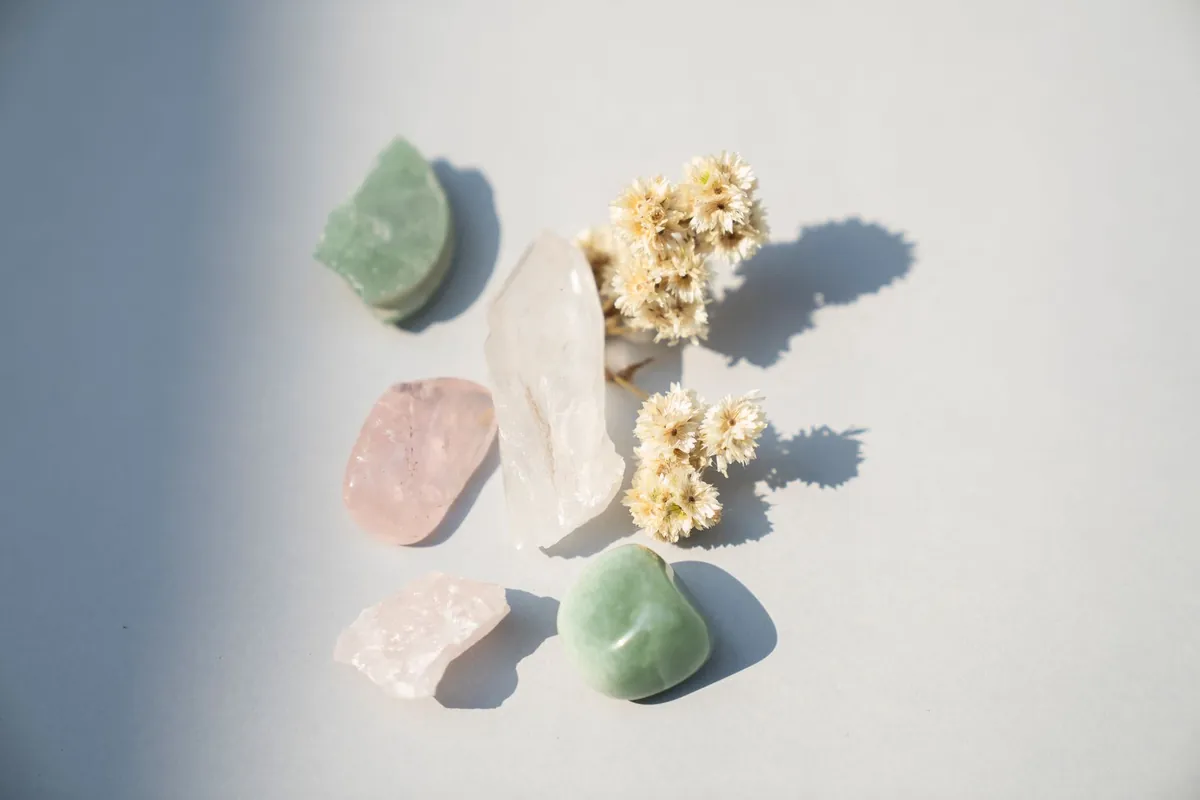
If you keep crystals on a windowsill or a bedside table, you’ve probably read that they need “cleansing” from time to time. It’s an old idea found in many crystal traditions: that stones pick up the mood of the place they live in, and that a simple ritual can give them a fresh start.
Whether you see cleansing as energy work or simply as a mindful habit, it’s a nice way to look after a collection. Here’s how the three most popular methods compare, and which stones need a gentler touch. As always on Spiritual Ark, this is about tradition and reflection. Crystals are not a treatment for anything, and they won’t replace real care when you need it.
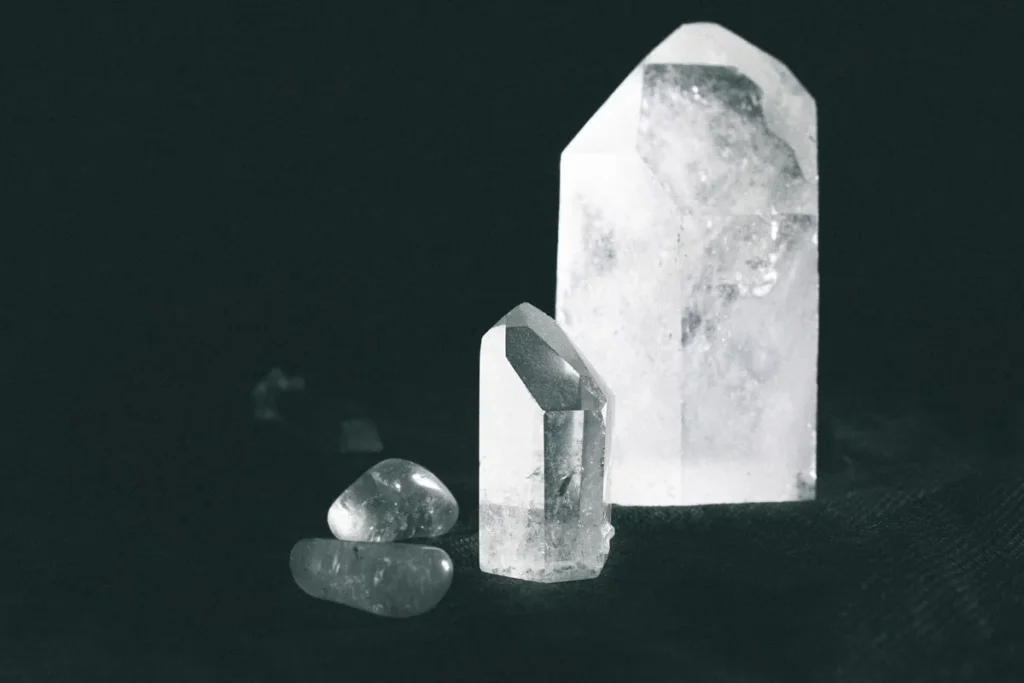
The three methods at a glance
| Method | How it works | Good to know |
|---|---|---|
| Moonlight | Leave stones on a windowsill or outside overnight, often at the full moon. | Gentle and safe for almost every stone. Bring them in before strong morning sun if they fade easily. |
| Sound | Ring a singing bowl, bell or tuning fork near the stones for a minute or two. | Touches nothing, so it suits fragile, soft or water-sensitive stones and big collections. |
| Smoke | Pass stones through the smoke of a herb bundle, incense or a resin. | Use a fireproof dish, open a window and never leave it burning. Avoid around pets, children and anyone with breathing problems. |
Moonlight
This is the method most people start with because it asks very little. Pick a night, set your stones on a clean cloth near a window or in a safe spot outside, and leave them until morning. Many people choose the full moon, which is traditionally linked with release and completion. Others prefer the new moon for fresh starts.
One practical tip: some stones fade in direct sunlight, including amethyst, rose quartz, citrine and fluorite. Bring them in early so the morning sun doesn’t bleach them over time.
Sound
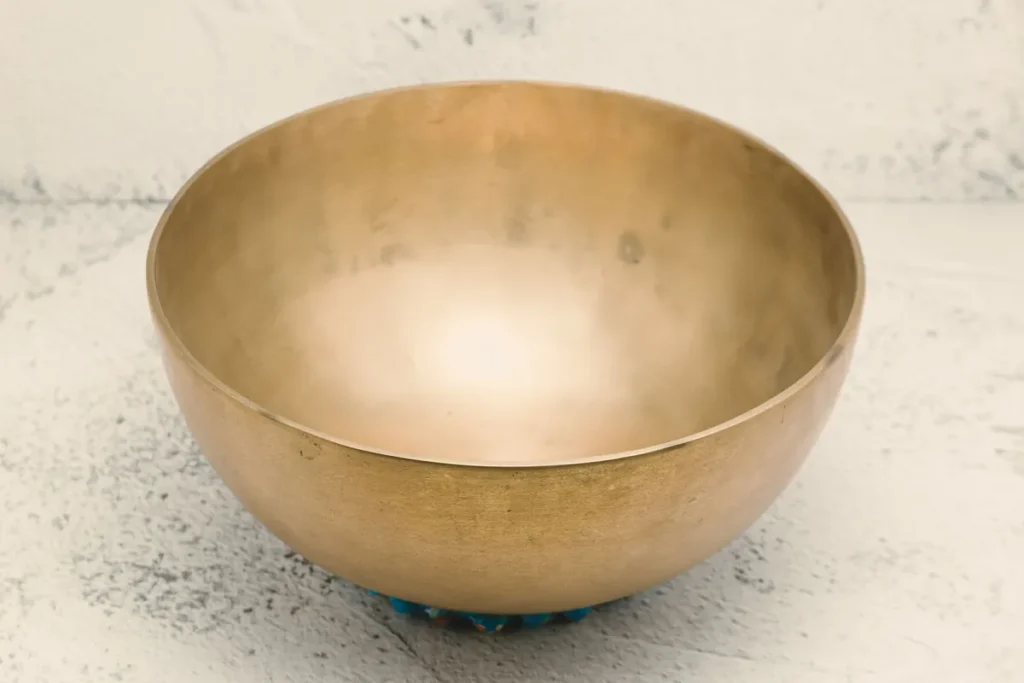
Sound cleansing uses vibration rather than water or smoke. Strike a singing bowl, a small bell or a tuning fork and let the tone wash over the stones for a minute or two. Some people also clap or hum. It’s quick, it doesn’t touch the stones, and it works for a whole shelf at once.
Smoke
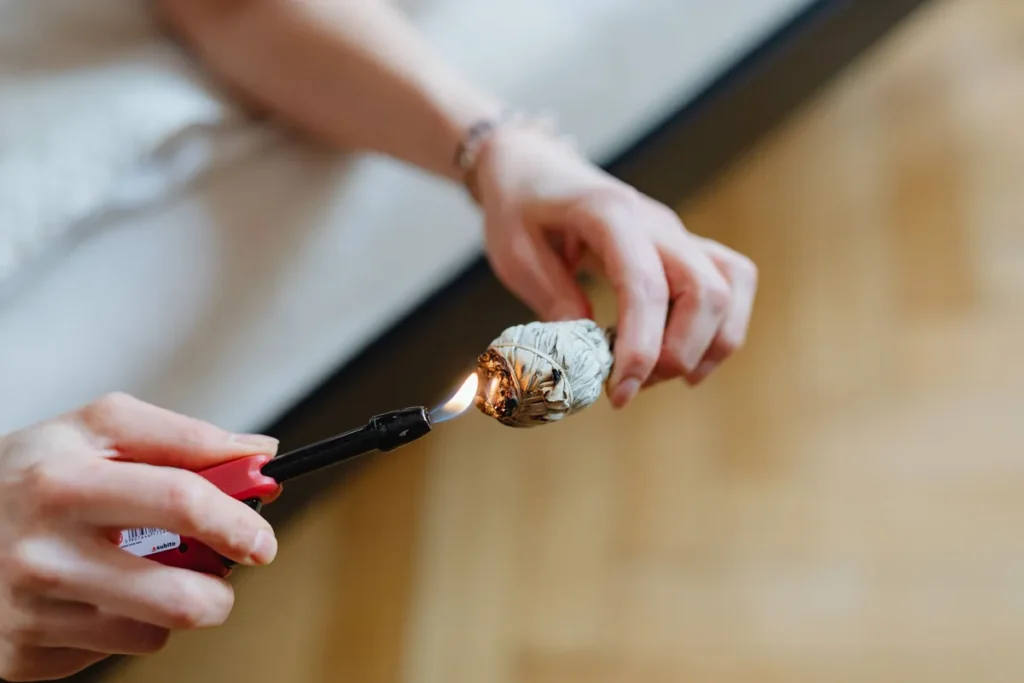
Smoke cleansing is part of many traditions around the world, from incense in temples to herb bundles in homes. To try it, light a bundle or stick, let the flame go out so it smoulders, and pass each stone slowly through the smoke.
A few things matter here. Some Indigenous communities in North America hold certain practices, such as smudging with white sage, as sacred, and white sage has been heavily over-harvested. Many people now choose alternatives like rosemary, lavender, cedar from a sustainable source, or simple incense. Whatever you use, keep a window open, use a fireproof dish and put it out fully when you’re done.
Stones that need a gentler touch
You’ll often see water recommended for cleansing, but plenty of stones don’t like it. Soft or porous stones such as selenite, malachite, lapis lazuli, turquoise, pyrite, hematite and calcite can scratch, dull, rust or dissolve. Salt can damage many stones too. When in doubt, moonlight and sound are the safest choices.
How often?
There’s no rule. Some people cleanse monthly with the full moon, some after a hard week, and some when a stone simply starts to feel “dusty”. If it helps you pause and enjoy your collection, that’s reason enough.
Keep exploring crystals
- Crystals people use for cleansing and protection
- More crystals linked with cleansing
- Simple ways people cleanse themselves spiritually
- How people spiritually cleanse a home
Browse every stone on the Crystals page.
Little Signs, Good Food
Gentle notes on the signs, dreams and symbols you notice, plus cozy recipes worth making this week.